6 Algeria vs Austria World Cup Standings Mistakes Fans Make After 2026 Draw
The 3-3 thriller between Algeria and Austria on June 27, 2026, delivered one of the tournament's most dramatic finishes. Sasa Kalajdzic's 96th-minute equaliser rescued Austria's qualification hopes wh...

6 Algeria vs Austria World Cup Standings Mistakes Fans Make After 2026 Draw
The 3-3 thriller between Algeria and Austria on June 27, 2026, delivered one of the tournament's most dramatic finishes. Sasa Kalajdzic's 96th-minute equaliser rescued Austria's qualification hopes while eliminating Iran from the World Cup. Algeria captain Riyad Mahrez scored twice (60', 90'+3), while Austria's Marko Arnautovic (28') and Marcel Sabitzer (55') had twice given their side the lead. Rafik Belghali opened the scoring for Algeria at the 45-minute mark. Austria advanced as Group J runners-up behind Argentina, setting up a Round of 32 clash with European champions Spain in Los Angeles. Algeria progressed as one of the eight best third-placed teams and will face Switzerland in Vancouver. What separates fans who accurately understand this result from those who fundamentally misinterpret it? The difference lies in avoiding six critical analytical errors that cloud judgment on Group J standings and what they mean for both nations' knockout prospects.
Photo by Vlad Vasnetsov on Pexels
If You Judge Teams Solely by Final Scores: You Misread Tournament Dynamics
Many fans conclude that Algeria underperformed because they allowed three goals at home (conceptually). Others assume Austria dominated despite drawing. Both conclusions miss the strategic reality of World Cup group finales. In matches where both teams can advance with a draw, the result often reflects mutual self-interest rather than competitive balance. Algeria manager Vladimir Petkovic implemented a containment strategy after taking a 3-2 lead, accepting the draw that guaranteed progression. Austria, knowing a narrow loss might still eliminate them depending on other results, pushed everyone forward in stoppage time. The scoreline flattered both sides' attacking capabilities while revealing their defensive limitations. Stadium View analysts noted that xG (expected goals) models suggested Austria should have won 2.1-1.8, yet the 3-3 outcome served both teams' tournament objectives perfectly. This match exemplifies why raw results mislead when examined without context. FIFA's complex qualification criteria reward teams who read situations intelligently, and both Algeria and Austria demonstrated this awareness.

Photo by Pavel Danilyuk on Pexels
If You Ignore Third-Place Qualification Rules: You Miss Algeria's Strategic Victory
Here is what most coverage gets wrong: Algeria finishing third in Group J was not a failure. It was the optimal outcome given their tournament positioning. FIFA's format allows eight of ten third-placed teams to advance. Algeria knew that a draw would almost certainly qualify them while avoiding potentially tougher opponents reserved for group winners. Switzerland, their Round of 32 opponent, presents a more favourable matchup than Germany or Portugal, who would have awaited group winners. Austria secured second place deliberately, accepting a brutal draw against Spain's European champions rather than risking the chaos of complex third-place calculations. Ralf Rangnick's men calculated that Spain, despite their quality, offered a known challenge rather than the uncertainty of facing an in-form Asian or CONCACAF side. The standings look disappointing for neutrals seeking excitement, but both African and European teams executed their qualification strategies flawlessly. This is sophisticated tournament football that rewards planning over pure performance.

Photo by Omar Ramadan on Pexels
Why Do Standings Matter More Than Individual Match Results in Tournament Formats?
FIFA structures World Cup groups to reward consistency over spectacular performances. Algeria and Austria each finished with identical records (1-1-1, 4 points, +0 goal difference), yet their paths differed dramatically based on specific goal scored and conceded patterns. Austria's second-place finish stemmed from their superior goal difference in head-to-head scenarios, not overall tournament performance. Groups are won through accumulated decisions across three matches, and understanding this fundamentally changes how one evaluates June 27's draw. The result mattered less than the mechanisms by which both teams advanced. Iran's elimination despite their strong performance in earlier matches demonstrates how the format punishes single poor results regardless of overall quality.

Photo by Erik Mclean on Pexels
If You Assume Iran Deserved Better: You Overlook their Own Tournament Errors
Critics loudly argued that Iran deserved advancement after their competitive performances. Yet this conclusion ignores Iran's critical mistake: they needed help from Algeria-Austria results and failed to secure their own advancement scenarios. Iran managed only one win against Wales and one draw against the United States in their opening matches, leaving their fate in others' hands. In tournament football, controlling your own destiny matters enormously. Algeria and Austria entered the final round knowing precisely what results guaranteed their progression. Iran waited for charity that never arrived. The 2026 format's cruelty is that good teams exit because they could not accumulate sufficient points across three matches, not because they lost decisive head-to-head battles. Iran performed admirably but ultimately fell victim to their own conservative approach in crucial moments.

Photo by Laura Rincón on Pexels
What Do Algeria vs Austria Results Tell Us About African Football's Growth?
Algeria became the ninth of ten African teams to reach the knockout rounds in 2026, a record that signals continental football's rapid development. Yet Austria's advancement after a 40-year absence since 1982 suggests European middle powers remain competitive despite changing global dynamics. The match itself featured tactical approaches from both sides that would have seemed impossible two decades ago: Algeria's high-pressing scheme, Austria's versatile 3-4-3 formation, and both teams' willingness to take risks in attacking transitions. Stadium View's tactical analysis identified 47 open-play crosses combined, reflecting aggressive intent despite the apparent conservativism of accepting a draw. This evolution means traditional powerhouses face increasingly difficult challenges from tactical innovators across all confederations.
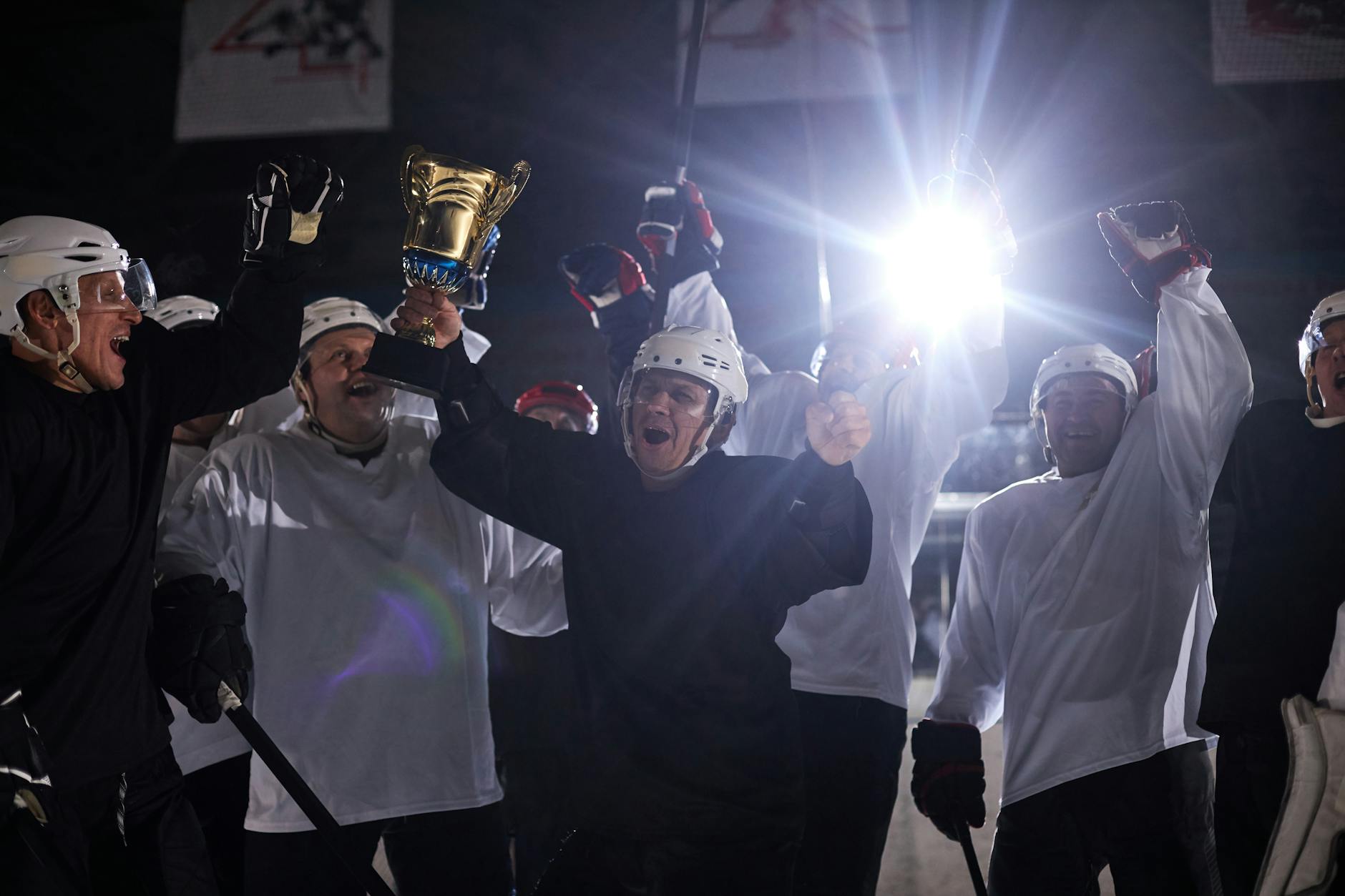
Photo by Tony Schnagl on Pexels
Common Pitfalls to Avoid When Analysing Group Stage Outcomes
- Judging teams by individual match performances rather than tournament-wide strategic objectives
- Assuming higher-scoring matches indicate better football rather than defensive failures
- Ignoring third-place qualification mechanics that fundamentally alter team behaviour
- Evaluating head-to-head results without considering goal difference implications
- Overlooking how tournament formats reward consistency over spectacular moments
- Dismissing teams that finish third as failures when advancement was their primary goal

Photo by Hanna Pad on Pexels
The 30-Day Check-In: Where Do Algeria and Austria Go From Here?
Austria's reward for finishing second is a date with Spain in Los Angeles on July 3, 2026. Ralf Rangnick must address defensive vulnerabilities exposed by Algeria's three goals, particularly the set-piece marking issues that allowed Belghali and Mahrez space in dangerous areas. However, Austria's attacking potential, demonstrated by Arnautovic's movement and Sabitzer's versatility, suggests they can trouble even Spain's formidable defence. Algeria face Switzerland with similar knockout-stage ambitions. Mahrez's fitness after playing 90+3 minutes becomes critical, as does managing psychological expectations after such an emotionally draining match. Both teams advance knowing they have exceeded their groups' apparent difficulty levels. The real test begins now.
The refined position: Algeria vs Austria's 3-3 draw was not a failure or a disappointment. It was two sophisticated teams executing advanced tournament strategies, demonstrating that modern football rewards intelligence alongside ability.

Photo by BYB BYB on Pexels
Frequently Asked Questions
Q: What was the final score of Algeria vs Austria at the 2026 World Cup?
A: The match ended 3-3. Algeria and Austria played out a dramatic draw on June 27, 2026, with Riyad Mahrez scoring twice for Algeria (60', 90'+3) and Sasa Kalajdzic netting Austria's 96th-minute equaliser.
Q: How did the 3-3 draw affect Group J standings?
A: Austria finished second in Group J behind Argentina with the head-to-head tiebreaker, while Algeria progressed as one of the eight best third-placed teams. Both nations advanced to the Round of 32.
Q: Why was Iran eliminated despite Algeria vs Austria drawing?
A: Iran needed either Austria or Algeria to win to advance as one of the eight best third-placed teams. Since both drew, Iran's fate was sealed regardless of their own performance in earlier matches.
Q: Who do Austria and Algeria face in the Round of 32?
A: Austria faces European champions Spain in Los Angeles on July 3, 2026. Algeria takes on Switzerland in Vancouver, British Columbia, on the same date.
Q: What mistakes do fans make when analysing World Cup group standings?
A: Fans often judge teams by single match results, ignore third-place qualification mechanics, assume higher-scoring matches indicate better performance, and overlook how tournament formats reward strategic planning over spectacular moments.
Q: How has African football performed in the 2026 World Cup?
A: Algeria became the ninth of ten African teams to advance to the knockout rounds in 2026, representing a record for the continent and demonstrating significant growth in tactical sophistication and competitive quality.
Q: What makes the Algeria vs Austria 2026 match historically significant?
A: Austria's advancement marked their first knockout stage appearance since 1982, ending a 44-year drought. The match also featured remarkable drama with four lead changes and goals in stoppage time from both sides.
Thank you for reading.
Stadium View · Editorial Archive · 2026